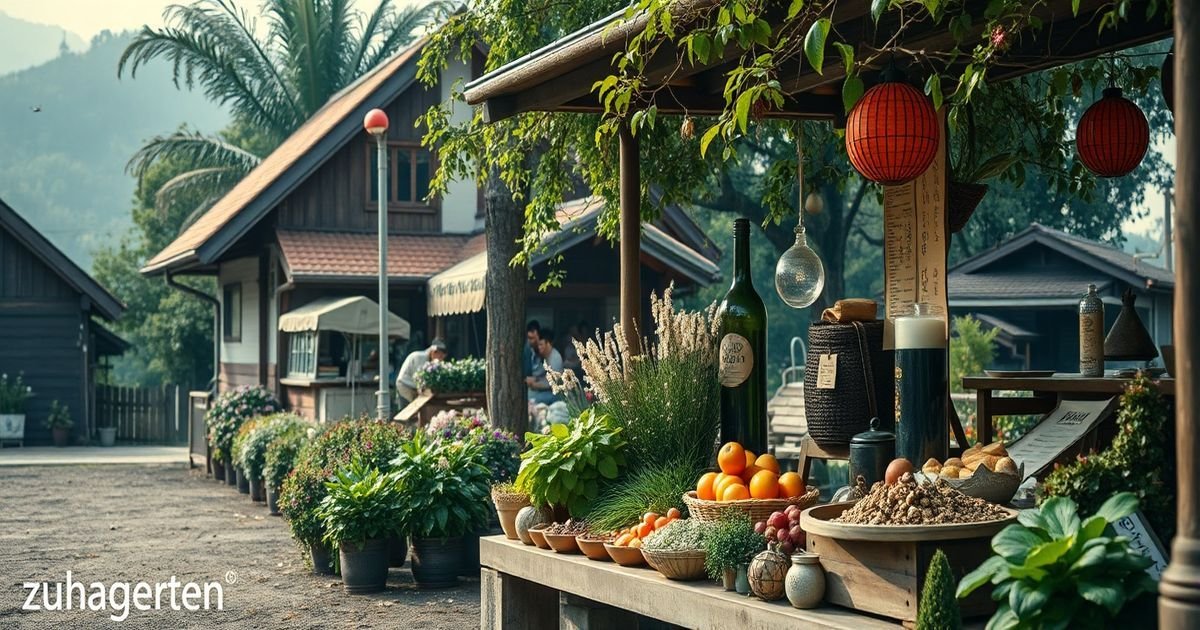
As urbanization accelerates and concrete landscapes dominate our cities, a quiet revolution is taking root. Zuhagarten represents more than just a gardening trend—it’s a comprehensive philosophy for integrating nature into our built environments. This innovative approach combines sustainable practices, community engagement, and modern design to create thriving green spaces in even the most challenging urban settings. Whether you’re working with a rooftop, balcony, or community lot, zuhagarten offers a blueprint for transforming neglected areas into productive ecosystems.
What is Zuhagarten?
Zuhagarten is a contemporary gardening concept that emerged from German urban planning principles, blending the words “zu” (to/toward) and “Garten” (garden). Unlike traditional gardening, which often focuses solely on cultivation, zuhagarten emphasizes the process of creating meaningful connections between people, plants, and their environment. It’s a holistic approach that considers biodiversity, water management, soil health, and social interaction as equally important components.
At its core, zuhagarten challenges the conventional separation between “nature” and “city.” Instead, it proposes that urban spaces can—and should—function as integrated ecosystems where food production, wildlife habitat, and human recreation coexist harmoniously. This philosophy has gained significant traction in 2026 as municipalities worldwide seek sustainable solutions for urban density, food security, and climate resilience.
Core Principles of Zuhagarten
The zuhagarten methodology rests on several foundational principles that distinguish it from traditional gardening:
- Radical Accessibility: Every space, regardless of size or condition, holds potential for transformation. Zuhagarten principles apply to window boxes, vertical walls, and vacant lots alike.
- Closed-Loop Systems: Water collection, composting, and natural pest control create self-sustaining cycles that minimize external inputs and waste.
- Biodiversity Priority: Rather than monocultures, zuhagarten encourages diverse plant communities that support pollinators, beneficial insects, and soil microorganisms.
- Community Integration: These gardens serve as social hubs, fostering neighborhood connections through shared maintenance, harvests, and educational events.
- Adaptive Design: Spaces evolve based on seasonal changes, plant performance, and community needs rather than rigid master plans.
These principles transform gardening from a solitary hobby into a collective urban renewal strategy.
Benefits of the Zuhagarten Approach
Adopting zuhagarten principles delivers measurable advantages across multiple dimensions:
- Environmental Impact: Urban zuhagarten spaces reduce the heat island effect, improve air quality, and create critical wildlife corridors. A single rooftop garden can absorb up to 70% of rainfall, dramatically reducing stormwater runoff.
- Food Security: Productive urban gardens increase access to fresh produce in food deserts. Community zuhagarten projects have shown they can provide 15-20% of a neighborhood’s vegetable needs.
- Mental Health: Regular interaction with these green spaces reduces stress, improves mood, and enhances cognitive function. Studies show that gardening activities lower cortisol levels by an average of 21%.
- Economic Value: Properties with established zuhagarten features command 5-15% higher market values, while reducing energy costs through natural insulation and shading.
- Social Cohesion: Shared gardening projects build community resilience, reduce crime rates in surrounding areas, and create intergenerational learning opportunities.
Implementing Zuhagarten in Your Urban Space
Ready to embrace this transformative approach? Follow these practical steps to establish your own zuhagarten:
- Assess Your Microclimate: Document sunlight patterns, wind exposure, and drainage over one week. This data informs plant selection and layout.
- Start Small and Scalable: Begin with 2-3 resilient plant species suited to your conditions. Expand as you learn what thrives in your specific environment.
- Build Living Soil: Create compost from kitchen scraps and source organic matter locally. Healthy soil is the foundation of any successful zuhagarten.
- Incorporate Water Wisdom: Install rain barrels, create swales, or use self-watering containers to maximize water efficiency.
- Design for Wildlife: Include native plants, provide water sources, and create shelter for beneficial insects and birds.
- Engage Your Community: Host planning meetings, organize planting days, and establish shared maintenance schedules.
For inspiration and detailed project documentation, explore our gallery of urban transformations that showcase zuhagarten principles in action.
Zuhagarten vs Traditional Gardening
While both approaches cultivate plants, zuhagarten differs fundamentally in philosophy and execution. Traditional gardening often prioritizes aesthetics and productivity within defined boundaries, treating nature as something to be controlled. Zuhagarten, conversely, views gardens as dynamic, interconnected systems where beauty emerges from ecological function.
Traditional methods frequently rely on imported soil, chemical fertilizers, and municipal water—creating dependency on external resources. Zuhagarten emphasizes closed-loop systems, turning waste into resources and working with natural processes rather than against them.
Socially, conventional gardens typically serve as private retreats, while zuhagarten spaces are designed as community assets. This shift from individual to collective benefit represents the most significant departure from traditional models, addressing urban isolation while building social capital.
According to Wikipedia’s urban agriculture research, integrated approaches like zuhagarten are becoming essential strategies for sustainable city development, with documented success in over 50 major metropolitan areas worldwide.
Getting Started with Zuhagarten Today
The beauty of zuhagarten lies in its accessibility. You don’t need extensive space, expensive equipment, or years of experience. Begin with a single container of herbs on your balcony, join a local community garden, or advocate for green infrastructure in your neighborhood planning meetings.
As we navigate the challenges of climate change, urban density, and food security in 2026, zuhagarten offers a practical, beautiful solution that empowers individuals while strengthening communities. This innovative approach proves that even the smallest green space can contribute to a healthier, more connected, and resilient urban future.
Ready to transform your urban environment? Visit our project portal to connect with zuhagarten practitioners, access free design templates, and join the growing movement of urban ecological gardeners reshaping our cities from the ground up.